Old Florida Gulf Coast Village
About Cedar Key, FL
Welcome to Cedar Key, a historic island village on Florida's Nature Coast, where a working waterfront, clam farms, and wildlife refuges preserve an unhurried Old Florida way of life.
Cedar Key is a city in Levy County, Florida, a cluster of islands on the Gulf of Mexico along the state's Nature Coast, connected to the mainland by State Road 24. Home to about 690 residents, it is one of Florida's oldest communities and forms part of the Gainesville metropolitan area. The Cedar Keys are a small archipelago, and the city's setting among tidal flats, salt marshes, and open Gulf water defines both its isolation and its enduring appeal. The town incorporated in 1869 and thrived as the terminus of a railroad that carried cedar, fish, oysters, and sponges to eastern markets, alongside a pencil-manufacturing industry built on the area's abundant cedar timber. A devastating hurricane in 1896 and the railroad's abandonment in 1932 reshaped the community, which turned increasingly toward fishing and seafood. Naturalist John Muir visited the islands and wrote of their beauty, and an exhibit at the local historical museum preserves his connection to Cedar Key. The modern economy was transformed again in 1995, when a statewide ban on large-scale net fishing prompted many local fishermen to shift into clam farming. Today Cedar Key's clam aquaculture is a multimillion-dollar industry and a defining part of its working waterfront, with the town's seafood celebrated well beyond the Nature Coast. The village is served by the Cedar Key School, the smallest public PreK-12 school in Florida, and its character is defined by a walkable, traffic-light-free downtown, colorful cottages, and the surrounding Cedar Keys National Wildlife Refuge. Its streets hold no traffic signals, and the pace of life follows the tides rather than a commuter clock. For homebuyers, Cedar Key offers a rare, unhurried coastal lifestyle steeped in Old Florida tradition.
Frequently Asked Questions
What county is Cedar Key in?
Cedar Key is in Levy County, Florida, on the Gulf of Mexico along the state's Nature Coast. The Cedar Keys are a cluster of islands near the mainland, connected by State Road 24.
What is Cedar Key known for?
Cedar Key is known for its Old Florida character, working waterfront, and clam farming, which became a major industry after the state's 1995 ban on large-scale net fishing. The town also has a rich railroad and timber history.
What school serves Cedar Key?
Cedar Key is served by the Levy County School District, and its local Cedar Key School is the smallest public pre-kindergarten through twelfth grade school in Florida, serving about 200 students on the island.
What is there to do in Cedar Key?
Cedar Key offers the Cedar Keys National Wildlife Refuge for birding and nature walks, the Cedar Key Museum State Park, kayaking to nearby keys, fishing, clamming tours, and fresh local seafood. A seafood festival is among its annual events.
Is Cedar Key an island?
Yes. Cedar Key is a cluster of islands off Florida's Gulf Coast, reached from the mainland by State Road 24. The compact, walkable village has no traffic lights and is best explored on foot or by bicycle.
City Guide
About Cedar Key
Real Estate & Housing
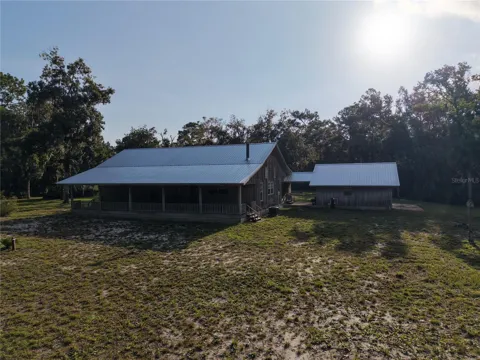
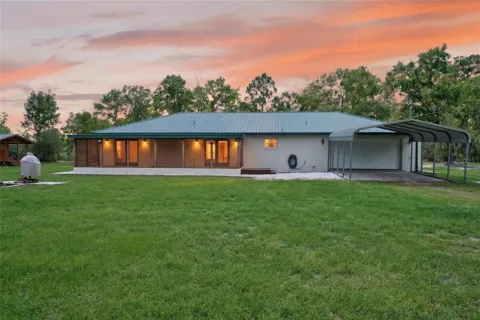
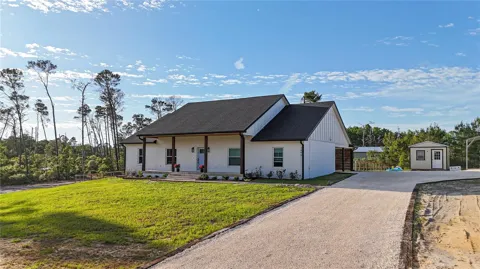
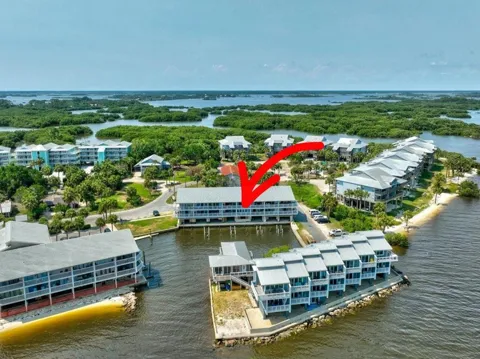
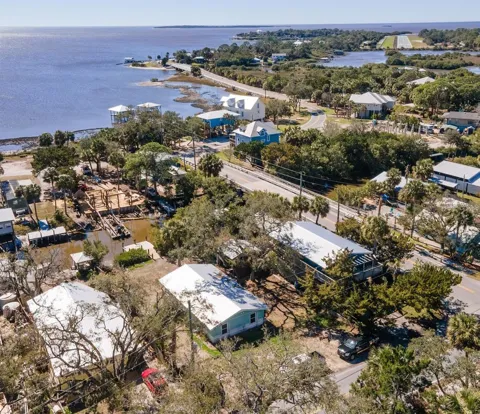
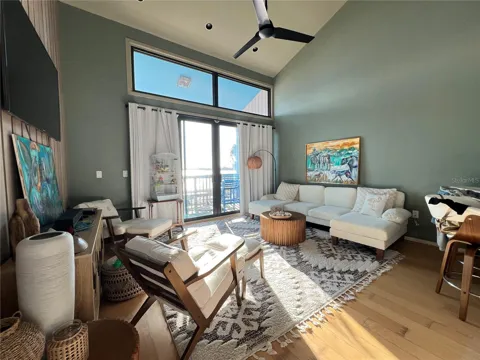
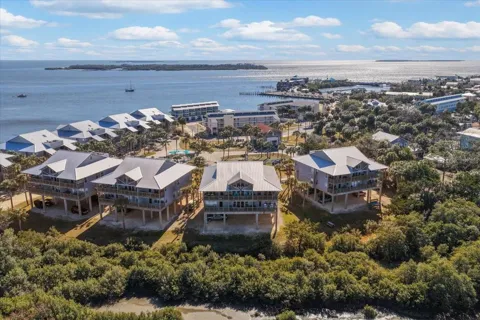
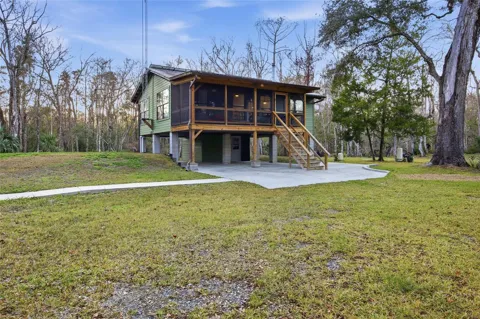
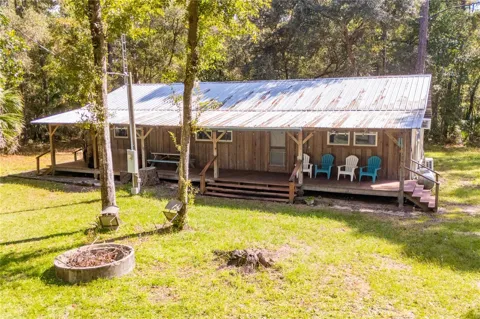
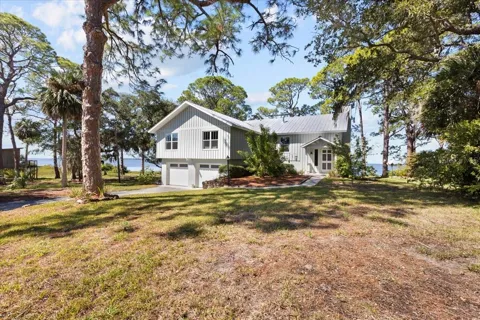
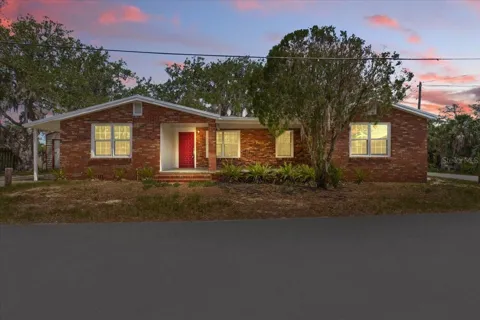
Cedar Key's housing stock reflects its small-island, historic character. Homes are predominantly cottages, bungalows, and waterfront residences, many built in the traditional Florida vernacular, with vacation rentals scattered throughout the village. Because the community sits on a small cluster of islands, available land is limited and the market is correspondingly small, with older homes, cottages, and occasional elevated waterfront properties making up most listings. Buyers are typically drawn by the Old Florida atmosphere, Gulf views, and the quiet, walkable lifestyle rather than by new construction or conventional suburban amenities.
Neighborhoods
Cedar Key is a single, compact island village rather than a collection of subdivisions. The historic downtown clusters along the waterfront and Dock Street, with cottages, shops, and restaurants arranged along short, walkable streets. Residential areas extend across the island toward the Gulf, with many homes enjoying water views or direct waterfront access. The village's small footprint and lack of traffic lights reinforce its pedestrian scale, while the surrounding islands and the Cedar Keys National Wildlife Refuge keep the wider setting natural and undeveloped.
Lifestyle in Cedar Key
Life in Cedar Key moves at an unhurried, distinctly Old Florida pace. The village has no traffic lights, and its compact streets are best navigated on foot or by bicycle. Residents and visitors alike gather around the working waterfront, where fishing boats and clam farms shape daily rhythms, and the community is known for its artists, musicians, and seafood-focused dining. Sunsets over the Gulf, kayaking among the islands, and quiet evenings are part of the everyday fabric. Cedar Key appeals to those seeking authenticity, natural beauty, and a close-knit coastal community far removed from Florida's more developed resort coastlines.
Schools & Education
Cedar Key is served by the School Board of Levy County, and its local Cedar Key School is the smallest public pre-kindergarten through twelfth grade school in the state of Florida, serving roughly 200 students in a single close-knit campus. This small-school setting is a point of pride for the island community, with low student-teacher ratios and deep ties between families and the school. Because the village is remote, students remain on the island for their entire K-12 education, and the Levy County district provides administrative support and regional services.
Getting Around
Cedar Key is reached from the mainland by State Road 24, which runs west from U.S. Highway 19 across the marshes to the island. The village itself has no traffic lights, and its compact layout makes walking and bicycling the most practical ways to get around town. Because Cedar Key is remote, residents rely on personal vehicles for trips to the mainland, with Gainesville and the larger Nature Coast communities a significant drive away. The island's small ferry, marina, and docks serve boating and recreational access to the surrounding waters.
Parks & Recreation
Recreation in Cedar Key is centered on the water and the natural landscape. The Cedar Keys National Wildlife Refuge offers birding, nature walks, and access to undeveloped islands, while the Cedar Key Museum State Park preserves the area's history. Kayaking and boating through the surrounding keys, fishing, and clamming tours are popular, and the community hosts a well-known seafood festival. Shell Mound Park adds an archaeological and natural destination nearby. For residents and visitors, the combination of Gulf waters, refuge land, and a walkable village provides a distinctly low-key coastal recreation experience.
MARKET SNAPSHOT
The Market at a Glance
How homes have been selling here over the last 90 days.
Price & Sales History
Market data reflects closed sales over the last 90 days and is provided for informational purposes.
For sale
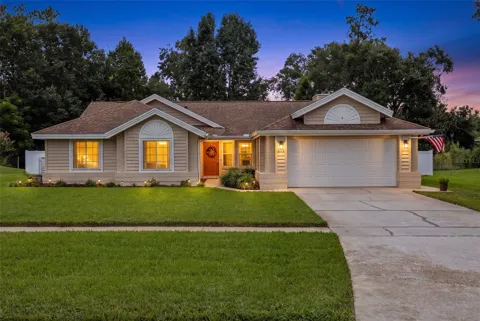
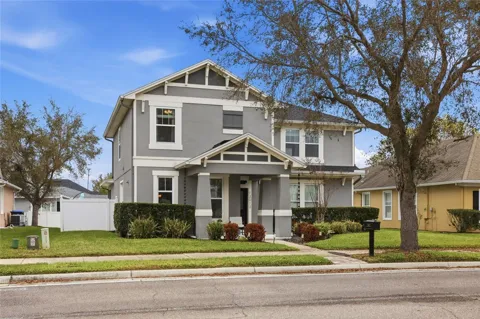
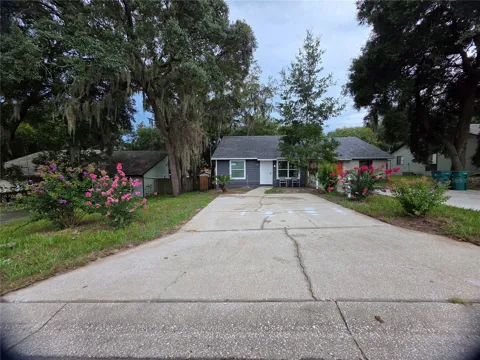
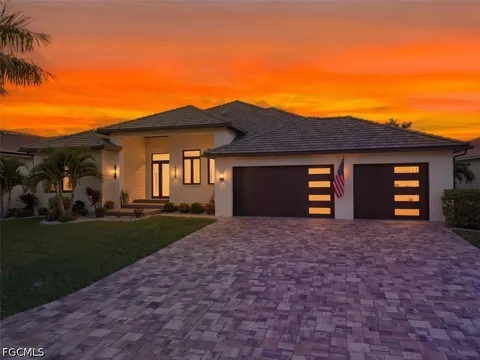
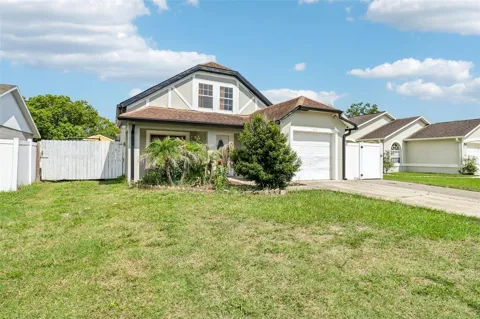
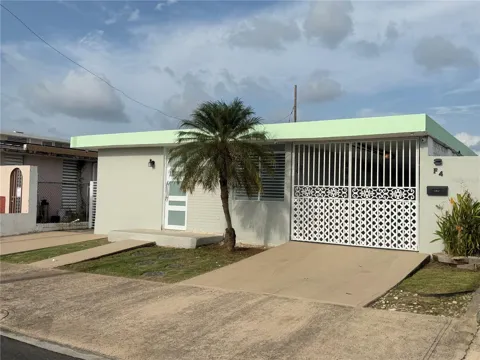
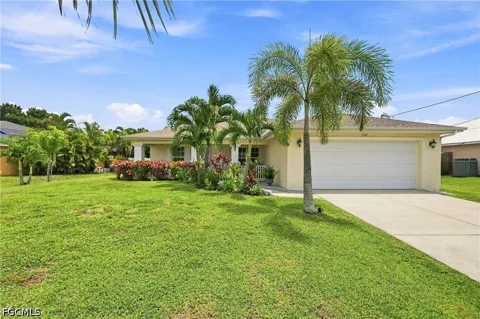
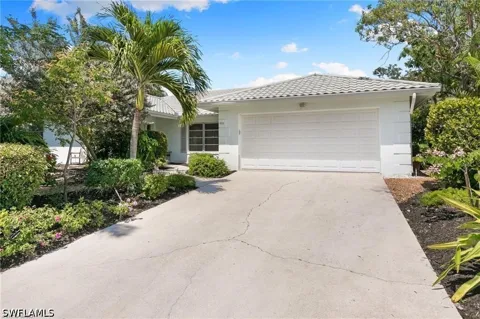
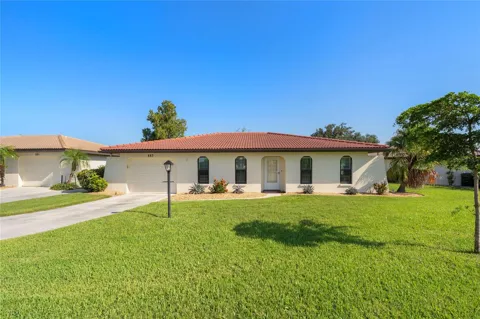
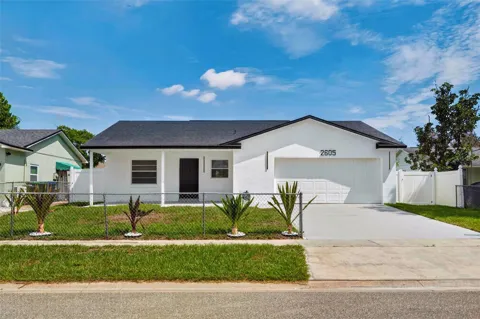
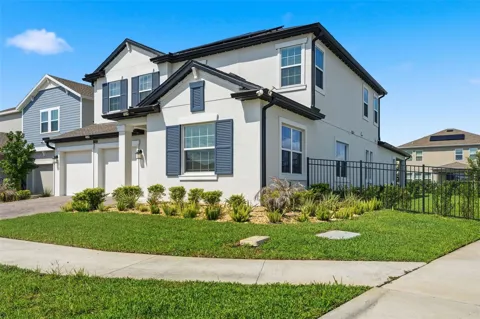
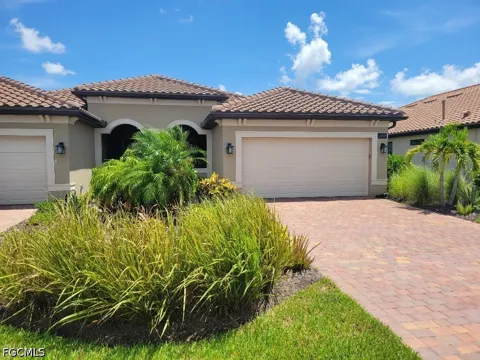
Houses in Cedar Key, FL
Handpicked properties hitting the scene in your area.
For sale
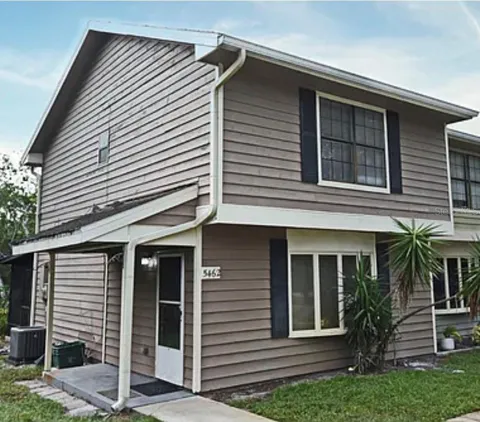
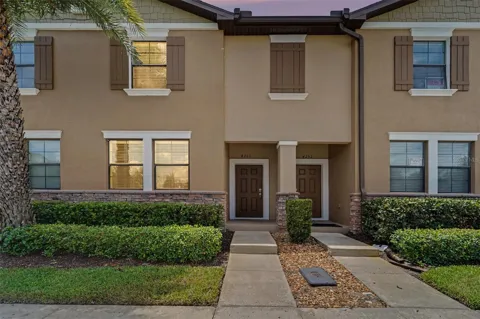
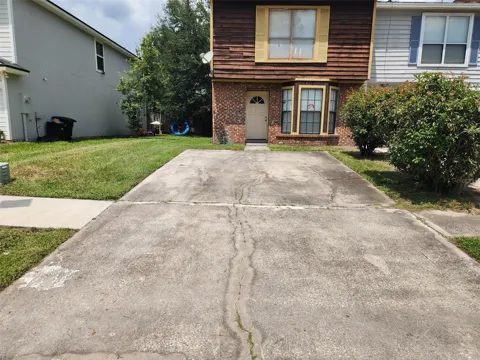
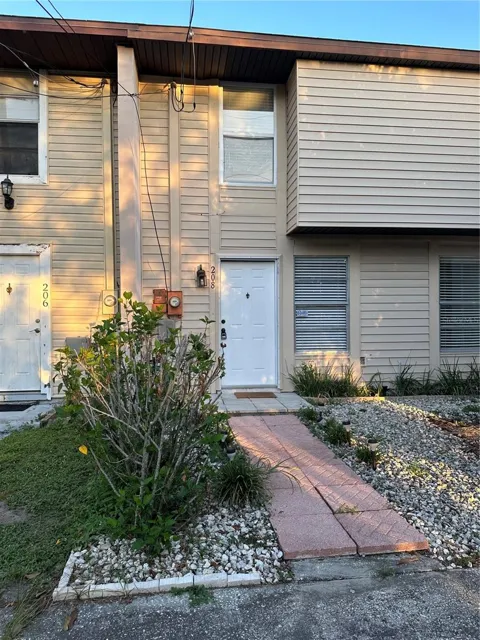
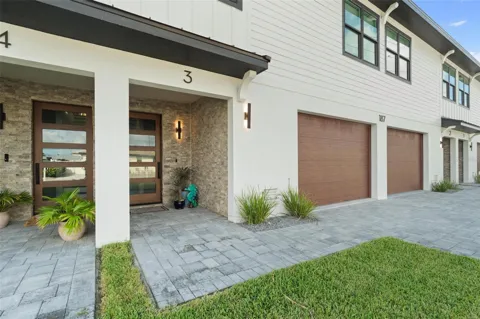
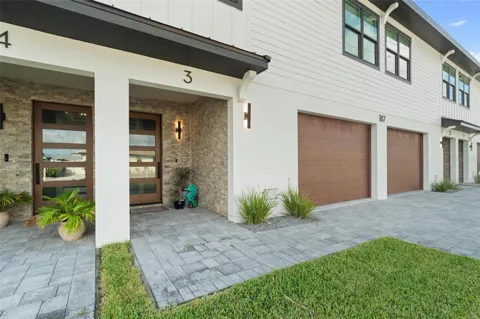
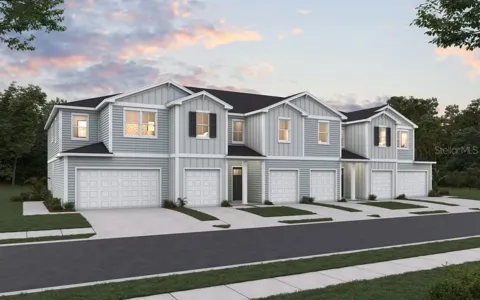
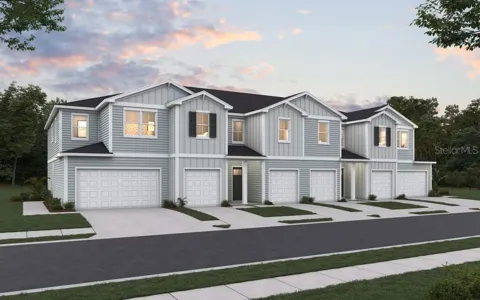
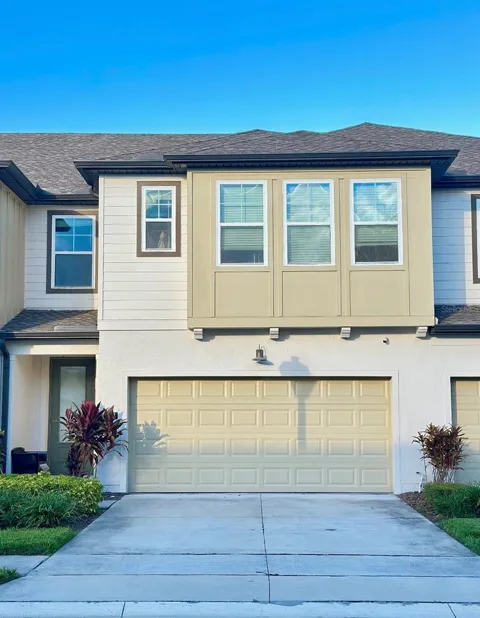
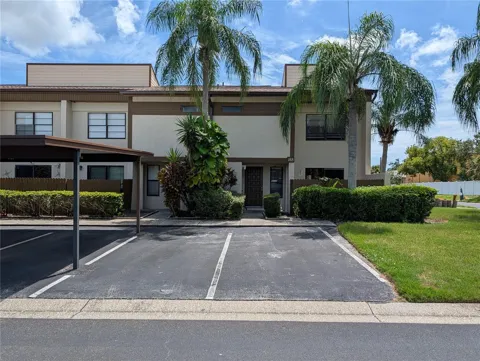
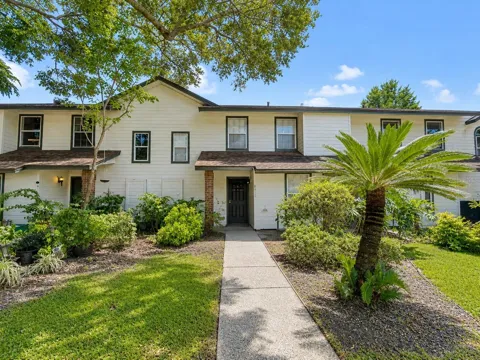
Townhomes in Cedar Key, FL
Handpicked properties hitting the scene in your area.
For sale
Condos in Cedar Key, FL
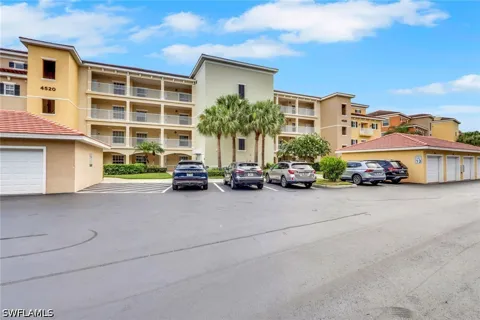
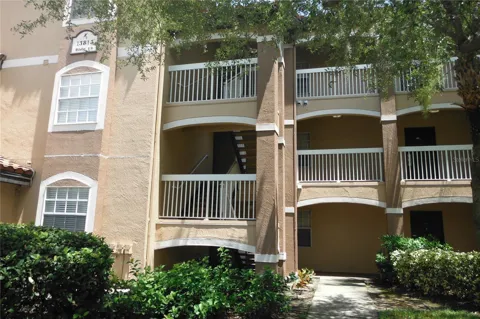
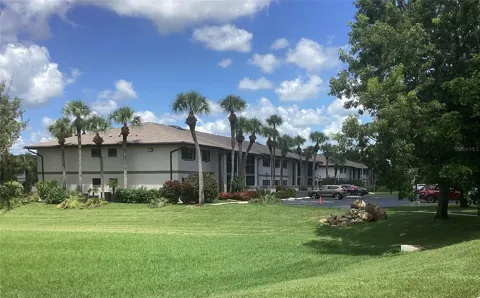
Handpicked properties hitting the scene in your area.
Zip Codes
BROWSE BY ZIP
Browse listings by postal code in this area.
- Grid
- Map
- List